The Craft Brewing Movement
Overview of the Craft Beer Movement
Before craft beer was designated its own aisle in Whole Foods, it was a a rebellion brewed in garages, cellars, washing machines, and repurposed dairy tanks. Homebrewers did not yet have the recipes, equipment, nor the capital to compete with corporate breweries, yet hobbyists persisted. Within the same economic culture that neoliberalism emerged, an American consumer culture revolution was brewing.
This project analyzes the Craft Brewing Movement from the 1970s through the 1990s within the broader context of late twentieth-century neoliberalism, juxtaposed with localism and shifting consumer cultures.
The Craft Brewing Movement of the late 20th century reveals a significant shift in American consumer culture from postwar mass-consumption and standardization toward localized, authentic, collaborative and entrepreneurial forms of brewing and consumption. While the evolution of craft brewing exemplifies the potential to combat corporate consolidation and resist homogenous production, it simultaneously exposes the contradictions of neoliberal capitalism and its capacity to passify cultural and economic resistance into commodified consumption and stratified markets.
Fueling Craft Beer Revival
.
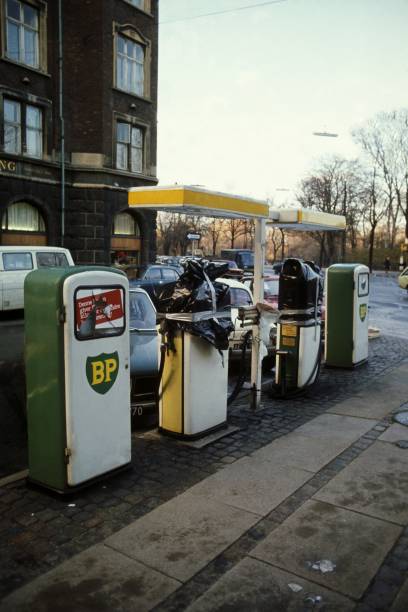
After the financial crises of the 20th century, including the welfare crisis of the 1960s and the oil shocks of the 1970s, the American consciousness began to shift further toward notions of economic independence. As the postwar economy began to stagnate, the portion of the upper middle and wealthy class that witnessed wealth concentration began to seek “a more specialized and symbolically complex consumer lifestyle.” 1 The crisis in welfare capitalism also had the “unusual effect of… the revitalization of ideas about entrepreneurship, creativity and innovation.” 2 Specialized consumer lifestyles and the perceived need to imagine an economy unreliant on Middle Eastern oil and global economies gave rise to the farm-to-table and localism movements, and, with renewed entrepreneurial imagination, so too, the Craft Brewing Movement.
Flat Industry
For decades prior to the Craft Brewing Movement, the alternative brewing and craft scene had remained stagnant, and large corporations dominated the market. “When Prohibition ended in 1933, many homebrewers returned to buying professionally made beer, and most homebrewing activities declined.” 1 Until the 1970s, large corporations, including Anheuser-Busch, Coors, and Miller Brewing Company, dominated the beer market. In the postwar era, homebrewing remained illegal nationally.
Homebrewing remained illegal in the United States until California State Assemblyman Tom Bates of Berkeley became interested in promoting the industry’s potential. “After consulting with … numerous brewers and would-be brewers, Bates wrote California Assembly Bill 3610, which allowed brewers to sell directly to consumers,” and “authorized homebrewers to produce up to 1000 gallons annually” in 1978 3 The bill would serve as a model for federal legislation passed by the end of the same year. 4 Californian, Craft Beer pioneer, and future owner of what is disputedly the first true brewpub in the United States, Buffalo Bills Brewery, had by then become so invested in the idea of starting his own brewpub that he testified in favor during committee hearings.
The only caveat of the Bates Bill was that, in order to kill the opposition from large, corporate breweries, who saw it as a threat to their business, Bates had to include an amendment that necessitated brewpubs serve food along with their beer. Buffalo Bill’s Brewery merely served sandwiches with supplies bought from Costco and the occasional pizza with materials bought from Price Club (now Costco). 5
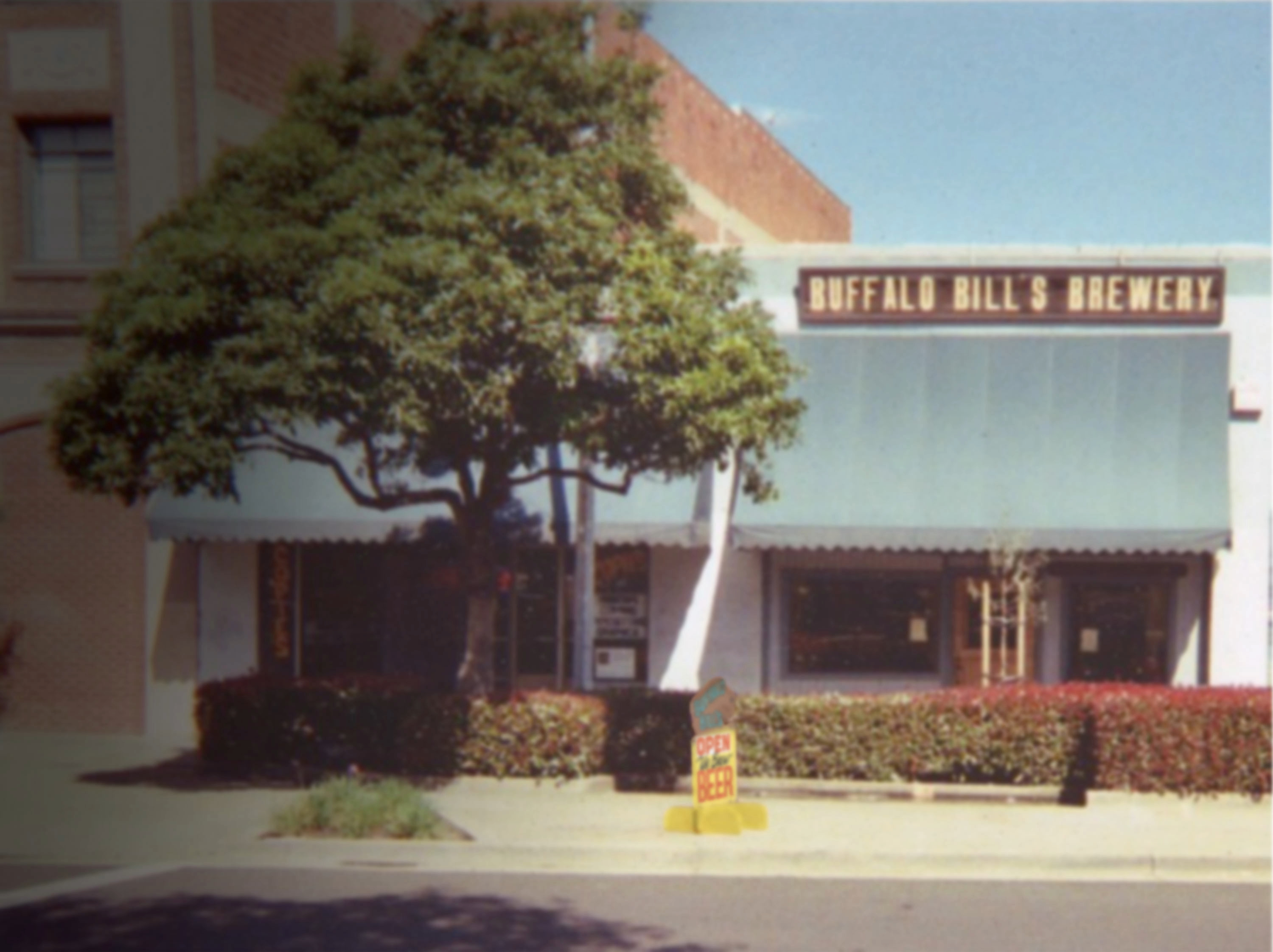
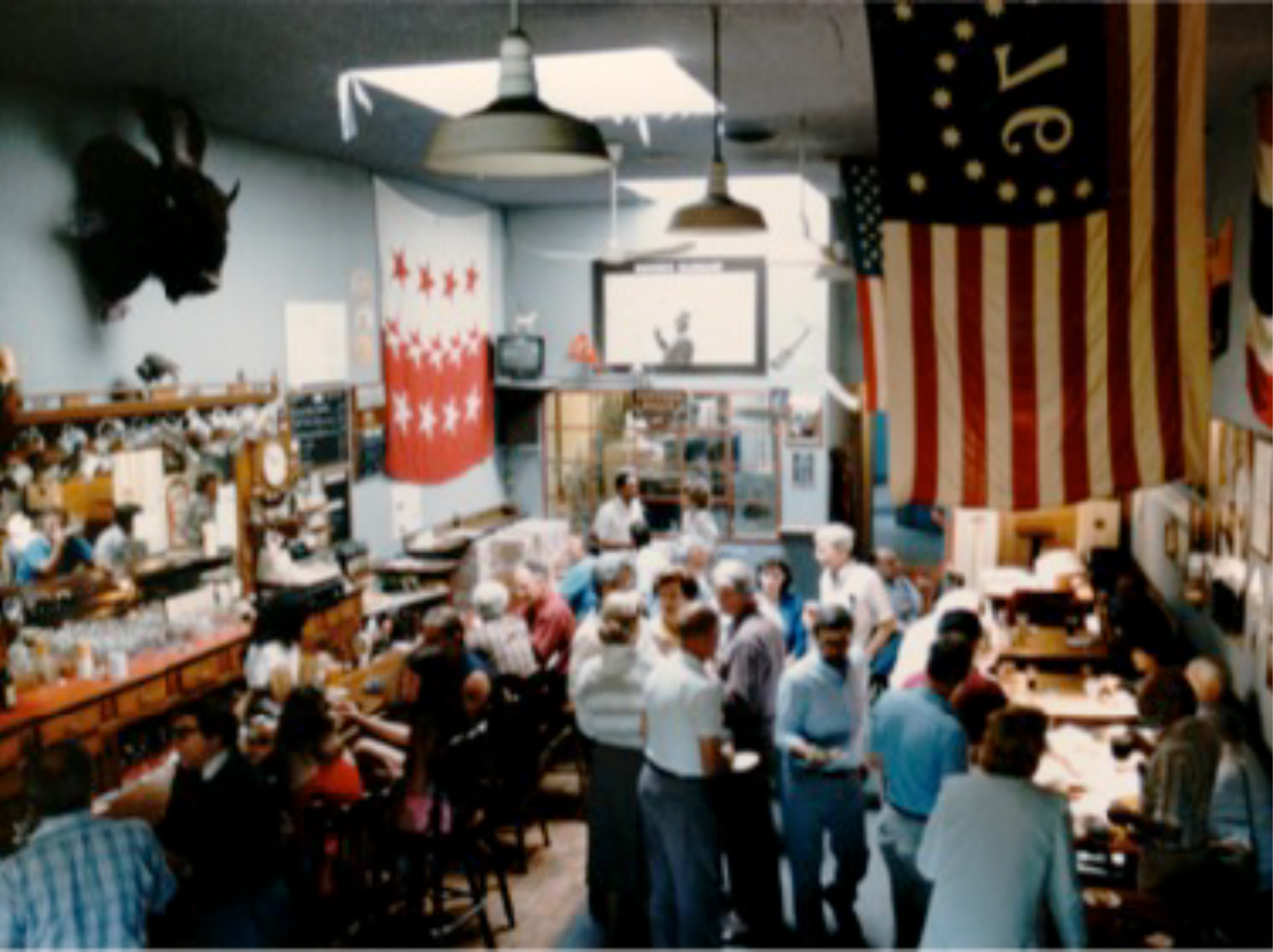

While no one actually ever paid the license fee, nor did anyone get fined or arrested, the law was necessary to legitimize homebrewing.” 9 From this catalyzing moment on, the Craft Brewing Movement gained exponential traction. While the American Beer Revival is widely attributed to Fritz Maytag’s Anchor Brewing and Jack McAuliffe’s New Albion Brewing, the Homebrewing Act was essential for the modern brewery phenomenon as we understand it to emerge. McAuliffe had merely been “hand bottling his beer and self-distributing it, driving between bars and restaurants in the Bay Area to deliver beer from his trunk.” 10 While Buffalo Bill’s is the third brewpub in the nation, it is the first brewpub in the US with a long draft system, drawing beer down a 62-foot line from the bright tank (storage tank under pressure) to the tap.” 11 It fundamentally reimagined the landscape in which Americans would gather to drink and revolutionized the nature of those spaces, with brewing in house becoming a symbol of pride and locality.
Liberalizing the Lager
The Bates Bill represents two key shifts in American culture in the late 1970s. More broadly, it represents the neoliberal shift toward government deregulation and the effective creation of a hobbyist-to-entrepreneur pipeline for Craft and Home Brewers. For the movement itself, it created the circumstances for the Craft Brewing Revolution to occur, which fundamentally altered the landscape and nature of the places the Americans would gather to drink.
Deregulation and Market Liberalization
The Bates Bill exemplifies a broader trend within American society in the 1970s and 80s, effectively creating a hobbyist to entrepreneur pipeline for Craft and Home Brewers.
-
John Harry, “Jimmy Carter: American Homebrew Hero?,” National Museum of American History , September 30, 2019, https://americanhistory.si.edu/explore/stories/jimmy-carter-american-homebrew-hero. ↩
-
John Harry, “Jimmy Carter: American Homebrew Hero?,” National Museum of American History , September 30, 2019, https://americanhistory.si.edu/explore/stories/jimmy-carter-american-homebrew-hero. ↩
-
Patrick Walls, “Bill Owens: A US Craft Beer Pioneer, 1982 – 2001.” master’s thesis, University of San Diego, 2017, 30. https://doi.org/10.22371/02.2017.018. ↩
-
Home Brew Act of 1978, H.R.1337, 95th Congress. 1977 (enacted). https://www.congress.gov/bill/95th-congress/house-bill/1337/text ↩
-
Patrick Walls, “Bill Owens: A US Craft Beer Pioneer, 1982 – 2001.” master’s thesis, University of San Diego, 2017, 30. https://doi.org/10.22371/02.2017.018. ↩
-
Bill Owens. Buffalo Bill’s Brewery in 1983. 1983, Color Photograph. Bill Owens Personal Archives. ↩
-
“Buffalo Bill’s History,” Buffalo Bill’s Brewery, accessed May 13, 2026. https://www.buffalobillsbrewery.com/buffalo-bills-history/. ↩
-
“Buffalo Bill’s History,” Buffalo Bill’s Brewery, accessed May 13, 2026. https://www.buffalobillsbrewery.com/buffalo-bills-history/. ↩
-
Patrick Walls, “Bill Owens: A US Craft Beer Pioneer, 1982 – 2001.” master’s thesis, University of San Diego, 2017, 14. https://doi.org/10.22371/02.2017.018. ↩
-
Patrick Walls, “Bill Owens: A US Craft Beer Pioneer, 1982 – 2001.” master’s thesis, University of San Diego, 2017, 10. https://doi.org/10.22371/02.2017.018. ↩
-
Patrick Walls, “Bill Owens: A US Craft Beer Pioneer, 1982 – 2001.” master’s thesis, University of San Diego, 2017, 33. https://doi.org/10.22371/02.2017.018. ↩